Products (0)

Nie znaleziono produktów dla ""

Cart (0)

Your cart is empty

Use the search or browse promotional products.

Empty Cart
Discover our products
Home / Articles / Wino / Malbec – everything worth knowing about this grape variety

Malbec – everything worth knowing about this grape variety

Author:Redakcja
Published:16.04.2026
Read time:6 Minutes
Malbec – everything worth knowing about this grape variety
If you told a 19th-century winemaker from Cahors that his local, underappreciated grape variety would one day conquer world markets, he probably wouldn't have believed it. And yet it happened. On April 17th, the entire wine world raises a toast to Malbec: a variety that has become the calling card of Argentine winemaking and one of the most popular red grape varieties in the world.

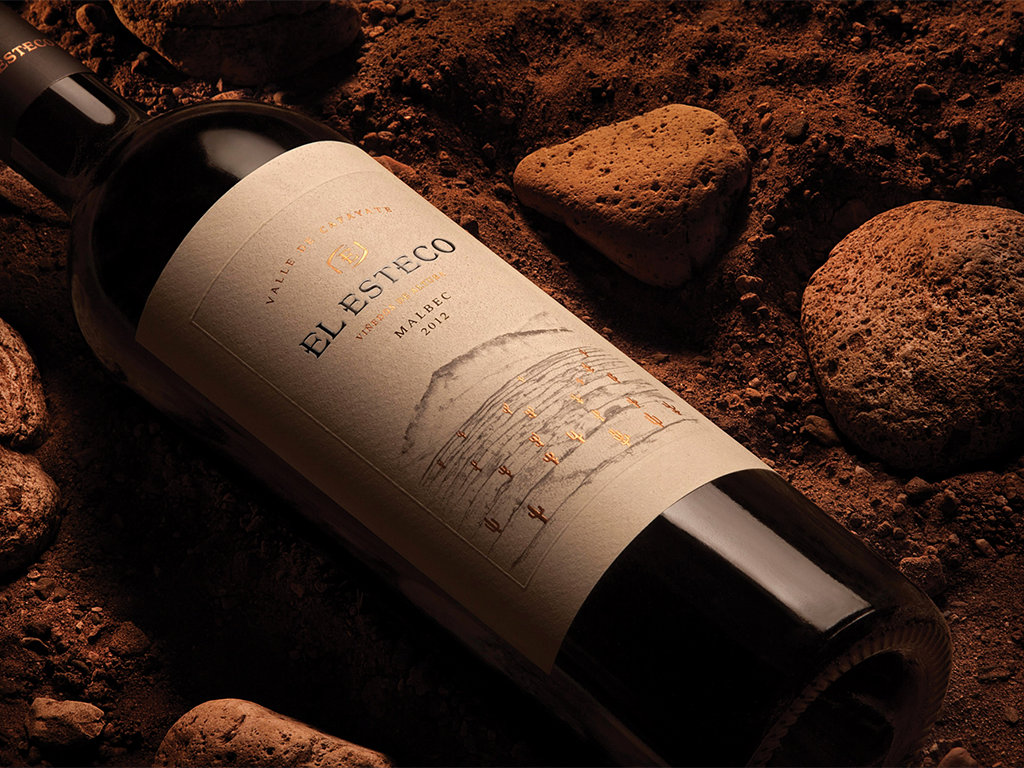
What is Malbec? Malbec is a red grape variety with a deep, almost opaque color, velvety tannins, and a rich fruit profile. A rarely found combination: it produces wines accessible to someone just beginning their wine adventure, while simultaneously being complex enough not to bore someone who has been tasting for years. Today it is primarily associated with Argentina – though its roots are fully European. And it's precisely this history that has something unexpected about it. Where does Malbec come from? The history of the grape Malbec in France – the grape's homeland and the Cahors region Malbec originates from southwestern France. For centuries it was cultivated in many regions, including Bordeaux, where it served as one of the grapes for blending. However, its main stronghold became the Cahors region in the Lot River valley, where under the local names côt or auxerrois it was – and still is – the main component of local wines. Cahors had its moment of glory. Local wines for centuries bore the title of "black wine" (vin noir) due to their intensity and almost ink-like color. They were valued at European courts, exported to England, Holland, and Russia. Then came phylloxera – an aphid that destroyed European vineyards in the second half of the 19th century – and Malbec in France never fully recovered. Malbec in Argentina – how the grape found a new home In 1853, Domingo Faustino Sarmiento – Argentine reformer, writer, and future president of the country – commissioned French agronomist Michel Aimé Pouget to bring European seedlings to Mendoza to modernize local winemaking. Among the imported plants was Malbec. The grape found ideal conditions. Significant altitude above sea level, intense sunlight, dry climate, and large temperature variations between day and night meant that Malbec developed here completely differently than in France. For over a hundred years it remained a local grape. Only in the 1990s, when Argentine wines began conquering export markets, did Malbec become their ambassador – and in this role it continues to excel today. How does Argentine Malbec differ from French? This is one of the most frequently asked questions about this grape – and a very good question, because the difference is really distinct. Argentine Malbec is an open, fruity, and accessible wine. It's dominated by aromas of ripe red and black fruits – plum, cherry, blackberry – complemented by notes of chocolate, coffee, and vanilla if the wine aged in oak. Tannins are soft and velvety, acidity moderate. It's a wine that's easy to drink. Malbec from Cahors is a completely different experience. More austere, structural, and earthy. Fruit aromas are less ripe, more leathery, with a characteristic mineral and graphite note. Tannins are harder, acidity higher. Wine from Cahors requires more time – both in the cellar and in the glass after opening. To put it figuratively: Argentine Malbec is a conversation by the fireplace in a soft armchair, while Cahors is an autumn walk in the forest. Both worth attention, but completely different experiences. How does Malbec taste? Aromatic and flavor profile Argentine Malbec – taste and aroma Color: deep purple, almost opaque Aroma: plum, blackberry, cherry, violet, chocolate, coffee, vanilla (in oaked versions), tobacco Taste: full body, soft tannins, moderate acidity, long fruity finish Style: from accessible, fruity everyday wines to complex wines from high-altitude vineyards Malbec from Cahors – taste and aroma Color: very dark, almost black Aroma: black plum, leather, earth, herbs, truffle, light notes of iron and graphite Taste: full body, hard tannins, pronounced acidity, long and complex finish Style: traditional, requiring time, develops beautifully after several years in the cellar What does Malbec pair with? Food pairing Malbec is one of the more versatile grapes for food pairing – especially the Argentine version. Classic pairings: Red meats – this is Malbec's natural environment. Steaks, roast beef, grilled ribs. Lamb – these dishes pair particularly well with Malbec from Cahors. Grilled dishes – smoked, caramelized flavors from grilling contrast beautifully with Malbec's fruitiness. Hard cheeses – Manchego, aged cheddar, sheep's milk cheeses. Mexican and South American cuisine – spicy dishes with rich sauce correspond perfectly with the velvety structure of Argentine Malbec. Malbec from Cahors, due to its higher acidity and harder tannins, better tolerates dishes with greater fat content and intensity – classic cassoulet, duck confit, or game. Which Malbec to choose? Guide with suggestions from M&P's offerings For starting your Malbec adventure Want to try Malbec for the first time and don't know which bottle to choose? Go for Argentine, preferably from the basic or mid-range shelf, without too much barrel contact. On the label look for the Mendoza region – and for now skip designations like "reserva" or "gran reserva." These are wines that reward patience and experience, and for your first contact with this variety, it's better to start simpler. We recommend – Fin Del Mundo Postales Malbec Classic Argentine Malbec You already know this grape and are looking for a good, proven representative of the style? Choose a wine from the Mendoza region, with several months of oak aging. Such Malbec will have both fruit and structure. We recommend – Pascual Toso Malbec Limited Edition Malbec from high-altitude vineyards Wines from vineyards located above 1000 meters above sea level – from Luján de Cuyo, Uco Valley, or Salta – are a completely different level of complexity. Greater acidity, more elegant structure, pronounced minerality. An excellent choice for someone who wants to know Malbec from a different side. We recommend – Zuccardi Apelacion Malbec Malbec from Cahors – for those seeking something different Cahors is Malbec for the patient and curious. If you like structural, earthy, demanding wines – this is the right direction. It works great with game dishes or aged cheeses. We recommend – Jean-Luc Baldès Probus Malbec beyond Cahors and Argentina – where else is it worth looking? Argentina and Cahors are the two poles most often discussed. But Malbec didn't stop at these two addresses – and that's good, because wines produced from this variety in other places can surprise. In French Languedoc, Malbec gains a different character than in Cahors. The warmer, Mediterranean climate makes these wines completely different from structural, demanding Cahors. They're closer to the Argentine spirit than classic French, though with distinctly European structure. We recommend – Paul Mas Estate Reserva Malbec Chile, in turn, proves that South America for Malbec isn't just Mendoza. Local Malbec, in the shadow of the more popular Carménère, has space to develop without the pressure of great expectations. The result? Elegant wines, often with a pronounced mineral note, that boldly maintain the level of Argentine classics. We recommend – Maucho Reserva Malbec FAQ – most frequently asked questions about Malbec Is Malbec dry? Malbec is most often a dry wine. In this case, it contains no residual sugar – all the sweetness you feel in the glass comes solely from the ripeness of the fruit and possible oak aging. At what temperature should wine from the Malbec variety be served? Malbec tastes best at 16–18°C. Wine that's too warm loses freshness and becomes heavy; too cold – closed and tannic. If you store the bottle at room temperature, it's worth cooling it for 20–30 minutes in the refrigerator before serving. Is Malbec suitable for aging? It depends on the style. Accessible Argentine wines from this variety are ready to drink immediately and don't require aging. More complex wines from high vineyards or reserve versions can improve over 5–10 years. Cahors from good vintages has potential for even 15–20 years. Why is April 17 International Malbec Day? The date refers to April 17, 1853, when Argentine reformer Domingo Faustino Sarmiento commissioned French agronomist Michel Aimé Pouget to establish an agricultural nursery in Mendoza – Pouget brought European vine seedlings on this occasion, including Malbec. The holiday was officially established by Wines of Argentina in 2011 and has been celebrated worldwide every year since.

By clicking "Accept", you agree to the storage of cookies on your device to enhance site navigation, analyze site usage, and assist in our marketing efforts. Learn more