Products (0)
Nie znaleziono produktów dla ""

Browse our events and add tickets to your cart.
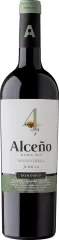
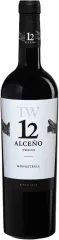
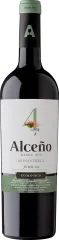
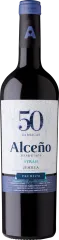
Alceño (Bodegas Alceño) is a Spanish winery with over 150 years of history, founded in 1870 in Jumilla, in southeastern Spain. Today run by the fourth generation of the Bastida family, it combines longstanding experience with modern production methods, creating wines that reflect the harsh yet generous terroir of Jumilla. From wine merchant to fourth generation The story of Alceño began in 1870 when wine merchant Roque Martinez established the first professional winery in Jumilla. Since then, the winery has been passed down within one family—today it is run by the fourth generation of the Bastidas. The winery still preserves original barrels and conical tanks from the year it was founded—living proof of historical continuity. The Bastida family also owns vineyards in other parts of Spain, including in the Utiel Requena appellation near Valencia—a region valued for wines made from the bobal variety. Jumilla—harsh climate, intense wines Jumilla lies at the junction of two Spanish autonomous regions—Murcia and Castilla-La Mancha—in a transitional zone between the coast and the La Mancha plateau. This is a place that pampers neither people nor vines. In summer, temperatures exceed 40°C, while in winter they drop below zero. Rainfall is scarce, and the soils—stony, limestone, sandy-clay, and clay—force roots to reach deep in search of water. The vineyards stretch across altitudes from 400 to 950 meters above sea level, arranged in parallel valleys running from south to north. As much as 80% of cultivation is done without artificial irrigation, and most vines grow in the traditional bush vine form—low, free-standing bushes that better tolerate heat and drought. Yields are very low, but this is precisely why the grapes have concentrated flavor and intense aroma. Harvest runs from September to the end of October. The dominant red variety is monastrell—a strain that in this harsh climate produces powerful, fleshy wines with velvety softness. Alceño also cultivates syrah, garnacha tintorera, garnacha, tempranillo, and cabernet sauvignon, and among white varieties—sauvignon blanc, verdejo, macabeo, and airén. The winery controls plantations of many local farmers, selecting grapes according to variety, altitude, vine age, and soil type. Concrete, oak, and the "submerged cap" method Alceño's production facility houses tanks with a total capacity of 3,500,000 liters. Most fermentation takes place in concrete tanks (75% of capacity), which compared to steel maintain more stable temperature and allow wine to "breathe" through the microporous structure of the walls. The remaining 15% consists of oak barrels, and 5%—stainless steel tanks. Alceño employs the "submerged cap" method during fermentation—a technique in which grape skins, instead of floating on the surface of the must, are constantly submerged in it. This allows extraction of pigments, tannins, and aromas to proceed more gently and evenly, resulting in wines with smoother structure. Fermentation temperature is strictly controlled to preserve the character of the fruit. For aging wines, Alceño uses oak barrels with capacities of 225, 300, 400, and 500 liters—smaller barrels give the wine more intense contact with wood, larger ones allow for gentler evolution. The oak proportions are 70% French and 30% American—French oak brings more subtle, spicy notes, American—more pronounced vanilla and sweetness.
By clicking "Accept", you agree to the storage of cookies on your device to enhance site navigation, analyze site usage, and assist in our marketing efforts. Learn more