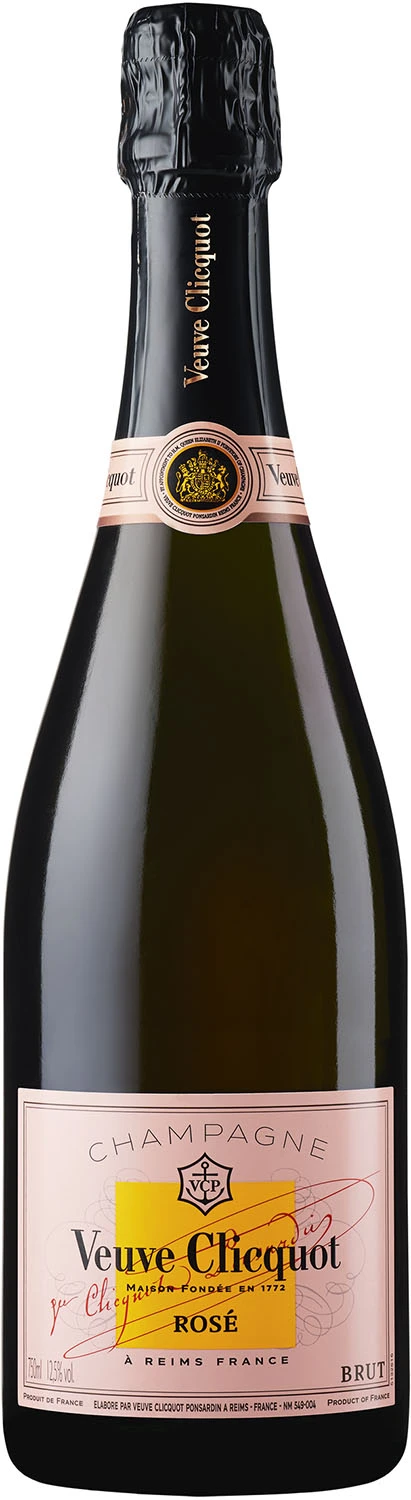
Veuve Clicquot Brut Rosé is a non-vintage rosé Champagne from Champagne, built on the traditional Yellow Label blend supplemented with red wine. It is made from grapes sourced from 50 to 60 different crus and contains up to 45% reserve wines, with its base being the classic Yellow Label blend supplemented with red Pinot Noir wine. The history of this style dates back to the early 19th century – Madame Clicquot broke with the then-common practice of colouring with elderberry and instead blended her red Bouzy wines into classic Champagne, creating in 1818 the world's first known rosé Champagne made using the blending method.
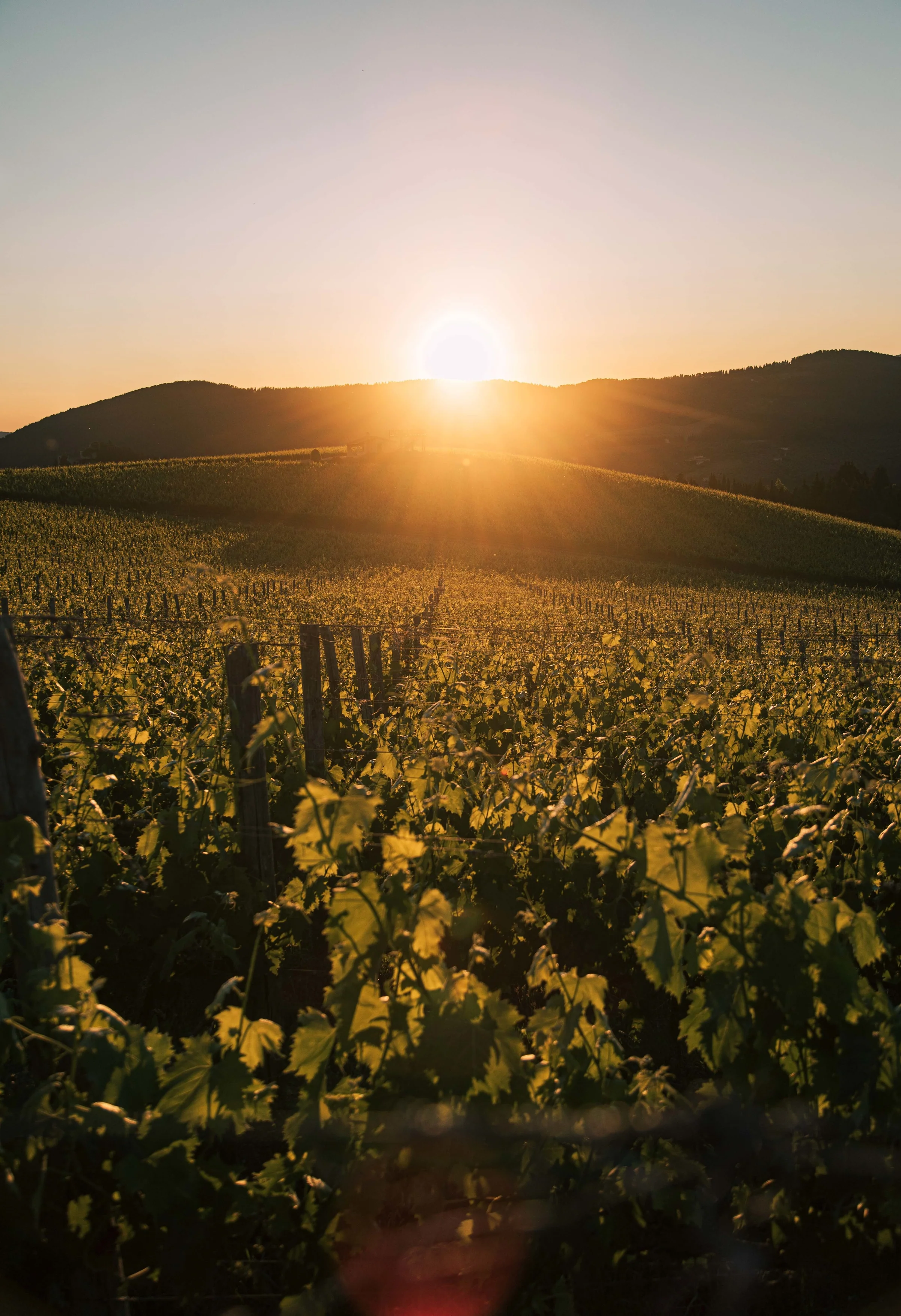
The core of the blend is based on Pinot Noir. The base is the traditional Yellow Label blend: a predominance of Pinot Noir (50–55%) gives the structure typical of Veuve Clicquot, Chardonnay (28–33%) brings elegance and finesse, and a proportion of Meunier (15–20%) completes the whole. The blend is built around Pinot Noir, which forms its backbone, while the addition of 12% red wine lends depth and power on the palate. The Champagne comes from Champagne, a region with a cool, continental climate. Well-drained limestone and chalk soils define much of the region and give the wines a mineral component, while the cool, continental climate favours high acidity in the grapes.
Vinification includes the addition of red wine and long ageing on the lees in chalk cellars. The blend is completed with 12–13% of still wine vinified as red, which provides fruitiness, while long ageing in the Crayères cellars – a minimum of 3 years for the Rosé – gives the Champagne its silkiness. The cuvée is dosed at 9 g/l after a rigorous selection from 50 to 60 different crus.
Red fruit dominates the aroma and taste, supported by notes from ageing on the lees. The robe is luminous, with pink reflections, and the aromatic profile combines red and black fruits (cherry, strawberry, raspberry, blueberry), spices (white pepper, saffron, liquorice) and pastry notes (sponge cake, croissant), enriched with hints of toast, orange peel and gingerbread linked to the ageing on the lees. Altogether it forms a harmonious balance of freshness and structure, with aromas of red fruit, sponge cake and pastry and a long finish. The alcohol content is 12%.
Critics consistently point to the youthful, fruity character of this wine. Decanter describes a profile with notes of truffle, gunpowder, dried berries and grapefruit bitterness, and on the palate redcurrant, wild berries, orange peel and red flowers, with good texture, lively acidity, velvety mousse and a dry finish, indicating a drinking window of 2025–2029. The Champagne is best served chilled to 8–10°C; suitable pairings include tapas, vegetables, meat dishes and red and black fruits.