Products (0)
Nie znaleziono produktów dla ""

Browse our events and add tickets to your cart.
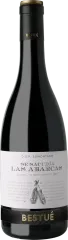
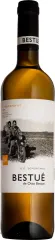
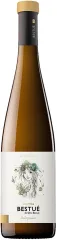
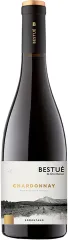
Otto Bestué Otto Bestué is a family winery from the Somontano appellation in Aragon — a wine region at the foothills of the Pyrenees in northeastern Spain. The family has been cultivating vines on their land in Enate since 1640, and the current bodega was established in 1999. The winery has 45 hectares of its own vineyards and specializes in combining local Aragonese varieties with international grape types. History of Otto Bestué The family's winemaking tradition dates back to 1640 — documents from that period have been preserved attesting to the cultivation of vines and olives on the family's land in Enate, in the heart of Somontano. In the late 1990s, Lorenzo Otto Bestué and his father decided to take it a step further and established their own winery — Bodega Otto Bestué. The goal was to create wines faithful to the region's tradition, but using modern technology. Today the winery is run by the third generation of the family — Ignacio Otto Cardiel — and exports wines to three continents. Somontano Region — Location and Climate Somontano (literally "at the foot of the mountains") is an appellation that received Denominación de Origen status in 1984 — relatively late compared to Rioja or La Mancha. The region is distinguished by climatic contrast — very cold winters and hot summers, with average rainfall of about 500 mm annually. Otto Bestué's vineyards are spread across five plots: Mezquita, La Sierra, El Plano, Santa Sabina and Rableros, on varied soils — from clays and gravels to sands and limestone. Otto Bestué Grape Varieties Among red varieties, garnacha, tempranillo, cabernet sauvignon, syrah and merlot dominate. Among whites — chardonnay, gewürztraminer (one of the key varieties of the Somontano region), riesling and garnacha blanca. The combination of native and international varieties is a characteristic feature of both the vineyard and the entire appellation. How Otto Bestué Wines Are Made Fermentation takes place in temperature-controlled stainless steel vats, preceded by cold maceration, which allows intense fruit aromas to be extracted from the grapes. Red wines undergo malolactic conversion — a process of converting sharper malic acid into milder lactic acid, which gives the wine a rounder character. French and American oak barrels are used for aging.
By clicking "Accept", you agree to the storage of cookies on your device to enhance site navigation, analyze site usage, and assist in our marketing efforts. Learn more